
September 9, 2026
What Makes a Better Battery in QLD for Reliable Car Batteries in QLD?














February 5, 2026
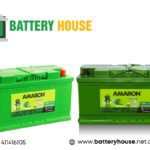
Choosing the Best Light Truck Battery – Amaron HI-WAY MF

December 18, 2025
Best Offgrid Battery Solutions in QLD for Reliable Power



November 14, 2025
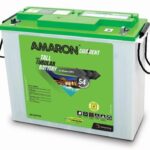
Powering Your Workhorse: A Comprehensive Guide to Light Truck Batteries



June 11, 2025
Reliable Power Backup: Finding UPS Batteries in QLD

May 30, 2025
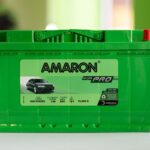
Stay Ready: Your Guide to Motorbike Batteries in QLD


December 6, 2024
An In-Depth Analysis of Amaron Battery Representatives in Australia
November 12, 2024
A Comprehensive Examination of Amaron Battery Agents in Australia

October 7, 2024
An Extensive Overview of Amaron Battery Agents in Australia
September 19, 2024
Understanding Light Truck Batteries: An Overview And Ideas

September 13, 2024
Lorem Training Manikins Now: What The Usage Is
September 13, 2024
Lorem Training Manikins Now: What The Usage Is
September 13, 2024
Lorem Training Manikins Now: What The Usage Is

September 6, 2024
The Rise of Amaron Battery in Australia: A Comprehensive Overview

September 25, 2023
Australian Car batteries: Some Effective Solutions
July 20, 2023
How to Choose the Best Car Battery: Some Ideal Option
February 14, 2023
Australia has an abundance of battery and battery-related products
February 14, 2023
Find the Amaron Battery Dealers that are most suited to your needs
February 14, 2023
A Comprehensive Guide to Choosing the Right Battery Manufacturer
Category

March 2, 2026
How to Identify a Reliable Car Battery Australia: Retailer’s Guide
How to Identify a Reliable Car Battery: Key Features Every Retailer Should Know
Durability is one of the most important aspects when evaluating a Reliable Car Battery. Retailers must be able to recognize the signs of high-quality construction, such as robust casing materials, advanced lead plate technology, and effective vibration resistance. In markets like Australia, where temperature extremes and tough road conditions are common, durability is paramount. A battery that withstands harsh environments without significant degradation ensures customer satisfaction and fewer returns. When sourcing the Best car Battery Australia can offer, retailers should look for products that have passed rigorous quality assurance tests, including resistance to corrosion and impact damage. This ensures long-term reliability and builds trust with customers.
Warranty as a Measure of Confidence
A manufacturer’s warranty is a direct reflection of their confidence in the product. Retailers must pay close attention to both the length and the terms of a battery’s warranty. A truly Reliable Car Battery often comes with a generous warranty period, sometimes extending up to four or five years. This not only reassures customers but also reduces the retailer’s risk of handling frequent replacements. In competitive markets, offering the Best car Battery Australia often means highlighting the warranty as a selling point. However, it’s essential to read the fine print—some warranties may cover only specific types of defects or exclude certain usage conditions. Retailers should educate customers on proper installation and maintenance to ensure warranties remain valid.
Performance Metrics Every Retailer Should Monitor
Performance metrics are critical when identifying a Reliable Car Battery. Key indicators include Cold Cranking Amps (CCA), Reserve Capacity (RC), and Amp-Hour (Ah) ratings. CCA measures the battery’s ability to start an engine in cold temperatures, while RC indicates how long a battery can supply power if the alternator fails. A higher Ah rating generally means longer-lasting power reserves. For customers seeking the Best car Battery Australia can deliver, these metrics should be clearly communicated and matched to their driving needs. Retailers should also consider the battery’s recharge efficiency and self-discharge rate, as these affect overall performance and lifespan. By understanding these figures, retailers can recommend the most suitable product for each unique customer profile.
Testing Methods to Ensure Quality
Testing is essential to confirm that a battery meets its claimed specifications. Retailers should use professional battery testers capable of measuring voltage, load capacity, and internal resistance. Regular in-store testing ensures that customers receive a Reliable Car Battery that performs as expected straight out of the box. For the Best car Battery Australia market, comprehensive testing may include both static and dynamic evaluations, simulating real-world driving conditions. Some advanced tools can also predict a battery’s remaining lifespan, which helps retailers manage stock rotation and avoid selling products nearing the end of their useful life. Implementing thorough testing protocols not only protects the retailer’s reputation but also enhances customer trust.
Educating Customers for Long-Term Satisfaction
A final but crucial step in identifying and selling a Reliable Car Battery is educating customers. Even the Best car Battery Australia has to offer will fail prematurely if not maintained properly. Retailers should provide guidance on regular checks, proper charging practices, and safe storage during long periods of inactivity. Explaining the signs of battery wear—such as slow engine cranking, dim lights, or frequent jump-starts—empowers customers to act before complete failure occurs. This educational approach not only improves customer satisfaction but also fosters loyalty, as buyers will appreciate a retailer who goes beyond selling to ensure lasting value.
Frequently Asked Questions (FAQs)
1. What makes a car battery reliable in Australia?
A reliable car battery in Australia must withstand extreme heat, rough road conditions, and long driving distances. Key factors include high Cold Cranking Amps (CCA), strong vibration resistance, corrosion protection, and a long manufacturer warranty.
2. How long should a reliable car battery last?
In Australian conditions, a quality car battery typically lasts between 3 to 5 years. However, lifespan depends on climate, vehicle type, and maintenance practices.
3. What warranty period should retailers look for?
Retailers should prioritize batteries offering at least 3 to 5 years of warranty. A longer warranty often reflects manufacturer confidence and reduces replacement risk.
4. Why is CCA important in battery selection?
Cold Cranking Amps (CCA) measures a battery’s ability to start an engine in low temperatures. Higher CCA ratings provide better starting reliability, especially in colder regions or during winter mornings.
5. What is Reserve Capacity (RC), and why does it matter?
Reserve Capacity indicates how long a battery can supply power if the alternator fails. A higher RC rating ensures the vehicle can run essential systems longer during emergencies.
6. How can retailers test a car battery before selling it?
Retailers should use professional battery testers to measure voltage, load capacity, and internal resistance. Regular in-store testing ensures customers receive a battery in optimal condition.
7. Are maintenance-free batteries better?
Maintenance-free batteries are popular because they require minimal upkeep. However, retailers should still advise customers on proper charging and regular inspection to maximize lifespan.
8. How does extreme Australian heat affect car batteries?
High temperatures can accelerate internal chemical reactions, leading to faster degradation and reduced lifespan. That’s why heat-resistant construction and quality materials are essential.
9. What certifications or quality standards should retailers check?
Retailers should look for batteries that meet recognized automotive quality standards and have passed rigorous durability and safety tests.
10. How can retailers reduce battery returns?
By selecting high-quality brands, conducting pre-sale testing, educating customers about installation and maintenance, and clearly explaining warranty terms, retailers can significantly reduce returns.